The intersection of technology and climate change presents a critical landscape for addressing sustainability. Various innovations, from renewable energy systems to precision agriculture, are reshaping traditional practices. These solutions not only aim to reduce emissions but also enhance community resilience and resource efficiency. Understanding how these technologies interconnect could reveal strategies that significantly influence our environmental future. What implications might these advancements have for the sectors most affected by climate change?
Innovative Renewable Energy Technologies Shaping Our Future
As the urgency of climate change escalates, innovative renewable energy technologies emerge as pivotal solutions in the quest for sustainable development.
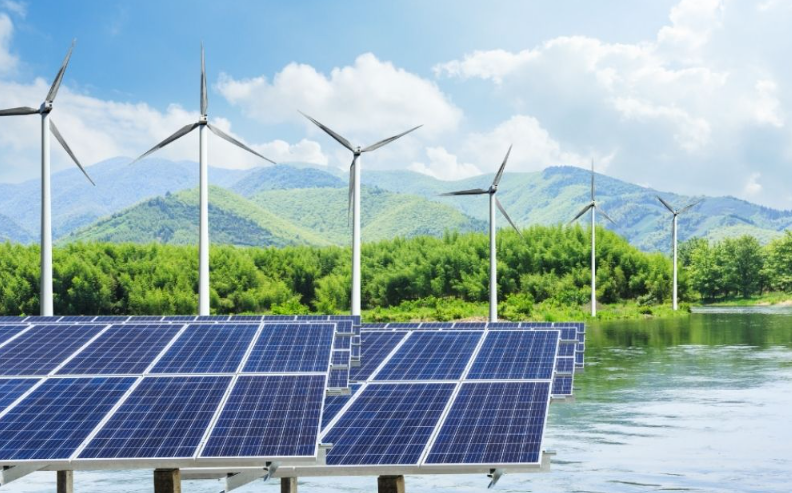
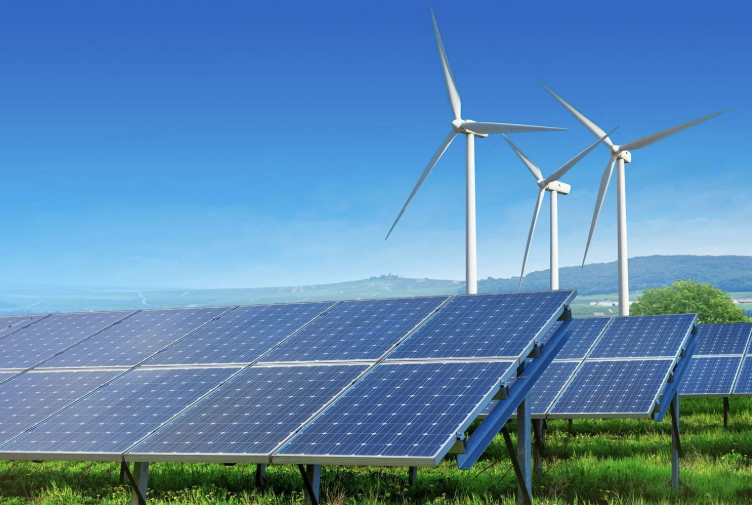
Solar innovations, such as advanced photovoltaic cells, significantly enhance energy efficiency, while wind advancements, including larger turbine designs, maximize output.
Together, these technologies not only reduce dependence on fossil fuels but also empower individuals and communities to embrace a more sustainable and liberated energy future.
Smart Agriculture: How Is Tech Enhancing Food Production?
While traditional farming methods have faced significant challenges due to climate change, the integration of technology in agriculture offers promising solutions to enhance food production.
Precision farming techniques, utilizing data analytics, enable farmers to optimize resource use, monitor crop health, and predict yields more accurately.
This data-driven approach not only increases efficiency but also supports sustainable practices, fostering resilience in food systems.
See also: Smart Tech Framework 910402965 Performance
Advanced Carbon Capture Solutions: Mitigating Emissions Effectively
Given the urgent need to reduce greenhouse gas emissions, advanced carbon capture solutions are emerging as critical technologies in the fight against climate change.
Direct air capture systems efficiently extract carbon dioxide from the atmosphere, while innovative carbon utilization methods transform captured carbon into valuable products.
These approaches not only mitigate emissions effectively but also offer pathways to a sustainable, low-carbon future.
Community Resilience: Utilizing Technology for Climate Adaptation
Recognizing the increasing severity of climate-related challenges, communities are leveraging technology to enhance their resilience and adaptability.
Through innovative platforms, they foster community engagement and streamline disaster preparedness efforts. Tools such as predictive analytics and real-time communication systems empower residents to respond effectively to climate threats.
This proactive approach not only strengthens local networks but also cultivates a culture of preparedness and resilience against future climate impacts.
Conclusion
In an era where technology is heralded as humanity’s savior against climate change, one might ironically ponder if the very tools designed to protect the planet are also subtly reinforcing its peril. As renewable energy systems, smart agriculture, and carbon capture technologies emerge as beacons of hope, they underscore a stark reality: the urgency for such innovations exists precisely because of the environmental degradation that technology itself has often accelerated. Thus, the quest for sustainability remains a double-edged sword.