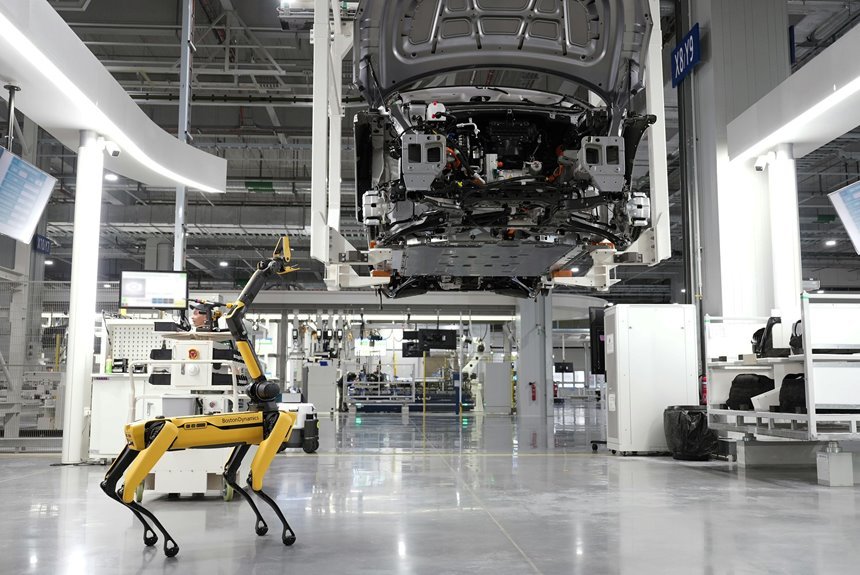
The Smart Automation System 8555710330 exhibits a robust performance across multiple sectors, characterized by its efficient resource management and cost-saving capabilities. Its user-centric design facilitates seamless integration within existing frameworks, while its adaptability caters to specific industry requirements. As organizations increasingly seek automation solutions, the implications of this system’s effectiveness warrant further exploration. What specific advancements set it apart, and how do they influence operational outcomes in various fields?
Key Features of Smart Automation System 8555710330
When evaluating the key features of the Smart Automation System 8555710330, it becomes evident that its architecture is designed to enhance operational efficiency and adaptability in various environments.
The system incorporates a user-friendly interface, facilitating seamless interaction.
Additionally, its emphasis on energy efficiency ensures optimal resource utilization, aligning with the growing demand for sustainable solutions while empowering users to maintain control over their automated processes.
Real-World Applications and Success Stories
The practical implementation of the Smart Automation System 8555710330 has yielded significant benefits across various industries, showcasing its versatility and effectiveness.
Notable success stories include enhanced manufacturing efficiency in automotive production lines and substantial energy savings in food processing facilities.
These applications demonstrate the system’s capacity to optimize operations, reduce costs, and support sustainable practices, ultimately contributing to operational excellence and resource conservation.
Comparing Performance Across Industries
How does the performance of the Smart Automation System 8555710330 vary across different industries?
Performance metrics demonstrate significant variations in automation efficiency, aligned with industry benchmarks.
In manufacturing, for example, the system excels in streamlining processes, whereas in healthcare, it enhances patient management.
Such disparities highlight the necessity for tailored implementations to optimize performance across diverse sectors, ensuring maximum efficacy and productivity.
Future Trends in Smart Automation Technology
As industries increasingly embrace digital transformation, the future of smart automation technology is poised for significant evolution.
Key trends include the integration of machine learning to enhance operational efficiency and predictive analytics for informed decision-making.
These advancements will empower organizations to optimize processes, reduce costs, and improve service delivery, ultimately fostering a landscape where innovation thrives and operational freedom is realized.
Conclusion
In the realm of industry, the Smart Automation System 8555710330 stands as a lighthouse, illuminating pathways to efficiency and innovation. Its ability to adapt and integrate serves as a bridge, connecting diverse sectors and fostering collaboration. As organizations navigate the turbulent waters of progress, this system emerges as a steadfast vessel, guiding them toward sustainable growth and enhanced productivity. In the future, it promises to chart new territories in automation technology, heralding a new era of operational excellence.