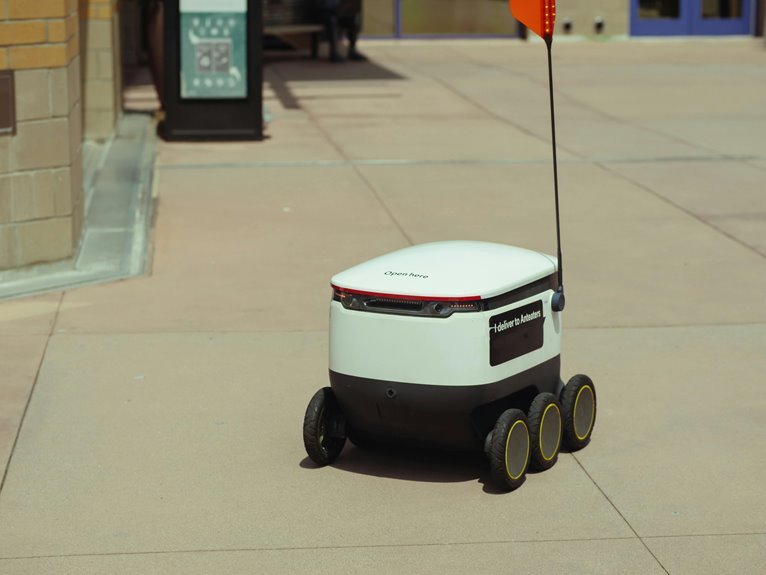
The 8882391044 efficiency model represents a significant advancement in AI-powered technology. By honing in on essential efficiency metrics, this framework facilitates enhanced operational performance. Organizations can automate mundane tasks and minimize errors, resulting in quicker decision-making processes. As businesses increasingly integrate these AI solutions, they not only optimize resource allocation but also position themselves for sustained growth. The implications of this model extend beyond current practices, prompting a closer examination of its future trajectory.
Understanding the 8882391044 Efficiency Model in AI Technology
The concept of efficiency in AI technology is often encapsulated by the 8882391044 Efficiency Model, which provides a structured framework for evaluating performance metrics across various applications.
This model emphasizes the importance of efficiency metrics in assessing AI systems. By implementing targeted optimization strategies, organizations can enhance their operational capabilities, ensuring that AI technologies not only perform effectively but also adapt to evolving demands in a dynamic landscape.
Key Benefits of Implementing AI-Powered Solutions for Efficiency
While organizations increasingly seek competitive advantages, implementing AI-powered solutions for efficiency emerges as a transformative strategy.
These technologies offer significant AI cost saving by automating repetitive tasks, leading to enhanced productivity.
Furthermore, automation benefits extend to reducing human error, optimizing resource allocation, and enabling faster decision-making.
Collectively, these advantages empower organizations to streamline operations and focus on strategic growth initiatives.
Real-World Applications: How Are Businesses Leveraging AI for Improved Productivity?
How are businesses harnessing the potential of AI to enhance productivity?
Companies increasingly turn to AI automation and business analytics to streamline operations, optimize resource allocation, and improve decision-making processes.
By leveraging sophisticated algorithms, organizations can analyze vast amounts of data quickly, enabling them to identify inefficiencies and implement strategic changes.
This integration ultimately fosters a more agile and productive work environment.
Future Trends in AI Efficiency Technology: What to Expect Next?
As businesses increasingly adopt AI to enhance productivity, attention turns toward the future landscape of AI efficiency technology.
Anticipated AI advancements promise to refine predictive analytics, enabling organizations to make data-driven decisions with greater agility.
This evolution is poised to empower businesses, fostering innovation and freedom by automating processes, optimizing resource allocation, and ultimately transforming operational dynamics across diverse industries.
Conclusion
In the realm of AI-powered technology, the 8882391044 efficiency model serves as a compass, guiding businesses through the turbulent seas of modern challenges. As organizations harness its potential, they transform repetitive tasks into streamlined processes, akin to turning rough stones into polished gems. This evolution not only enhances productivity but also cultivates an agile workforce, ready to navigate future uncertainties. Ultimately, the integration of AI symbolizes a bridge to sustained growth, where innovation meets operational excellence.